

 By
By Winter Home Tips for Tenants: How to Prepare Your Property and Avoid Common Cold-Weather Problems
Winter is just around the corner, and as temperatures drop, rental homes can face a few seasonal challenges. A little preparation now can save you a lot of stress later - not to mention prevent damage, keep heating bills down, and avoid unnecessary call-out costs.
Here’s a simple guide to help you get your home winter-ready and deal with common cold-weather issues like frozen pipes, boiler pressure drops, and heat loss.
🔧 1. Protect Your Pipes from Freezing
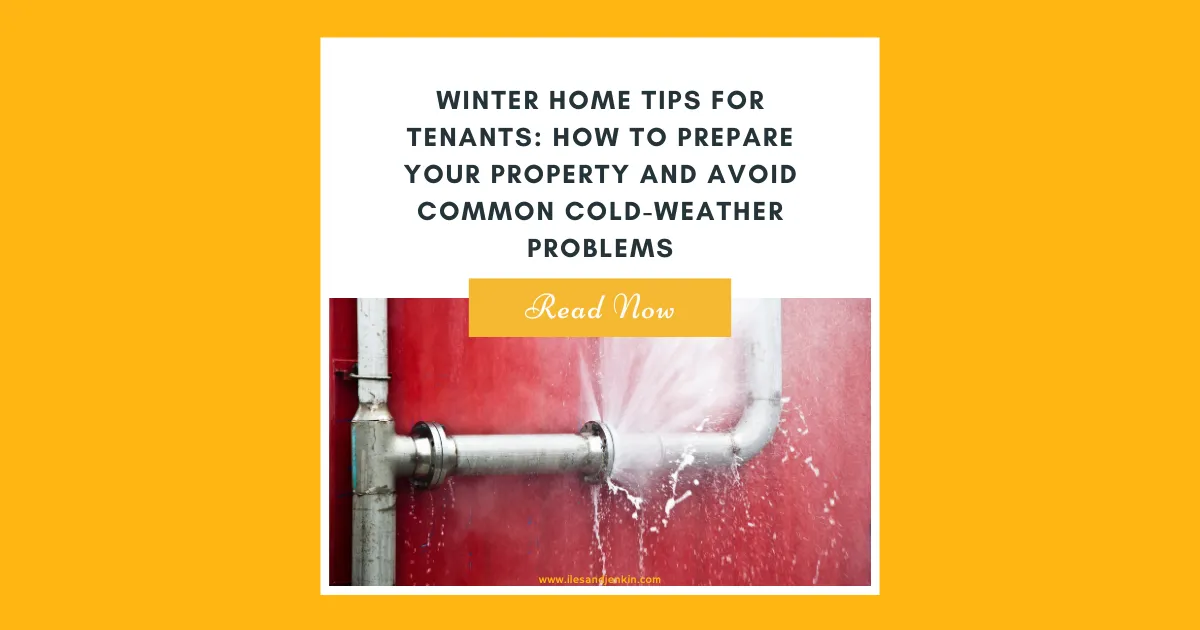
Frozen pipes are one of the most common, and most disruptive winter issues. When water freezes, it expands, which can cause pipes to burst and lead to serious leaks.
How to prevent frozen pipes:
Keep the heating on low when you're out or overnight (around 12–15°C). Constant low heat is cheaper and safer than turning the heating off completely.
Insulate outdoor pipes, taps, and any exposed pipework if possible. Foam insulation (lagging) can make a big difference.
Open kitchen and bathroom cupboard doors on very cold nights to allow warm air to circulate around pipes.
Know where your stopcock is. If a pipe bursts, turning off the water quickly prevents further damage. (you can find this on our inventory of the property)
If your pipes freeze:
Turn off the stopcock to stop water flow.
Gently warm the pipe using a hairdryer, warm towels, or a hot-water bottle - never use an open flame or boiling water.
Contact your landlord or agent if you cannot resolve it or suspect a burst pipe.
🔥 2. Keep Your Boiler Running Smoothly
Your boiler works hardest in winter, and issues such as low pressure or frozen condensate pipes can cause it to shut down.
Signs your boiler needs attention:
No heating or hot water
Radiators cold at the top
Error codes on the boiler screen
The pressure dial is below 1.0 bar
How to maintain boiler pressure:
Check the pressure gauge - most boilers should sit between 1.0 and 1.5 bar.
If the pressure is low, you can usually top it up using the filling loop (a small silver hose beneath the boiler).
If you're unsure how to do this safely, ask your landlord or letting agent for instructions - never guess.
Frozen condensate pipe:
On very cold mornings, your boiler may stop working because the external condensate pipe has frozen.
Quick fix:
Pour warm (not boiling) water over the pipe outside.
Reset the boiler once thawed.
If this keeps happening, let your landlord or agent know - a simple insulation fix can prevent future issues.
🌬️ 3. Reduce Damp, Condensation and Mould
Condensation increases in winter when we heat our homes and keep windows closed. Excess moisture can lead to mould growth, which is unpleasant and unhealthy.
How to minimise condensation:
Open windows for 10-20 minutes a day, especially after cooking or showering.
Use extractor fans in bathrooms and kitchens.
Keep lids on pans while cooking to reduce steam.
Avoid drying clothes indoors where possible - if you must, use a well-ventilated room.
Keep furniture slightly away from external walls to allow airflow.
If you notice small areas of mould, wiping them down early with a mould remover prevents it spreading. Report any persistent or structural damp to your agent promptly.
🧼 4. Look After Outdoor Areas
Cold weather can affect the exterior of your home too.
Simple steps to take:
Disconnect and drain garden hoses to prevent them freezing.
Keep outdoor drains clear of leaves and debris to allow proper drainage during heavy rain.
Report any loose tiles, cracked guttering, or damaged fences before storms arrive.
💡 5. Minimise Heat Loss and Keep Bills Down
With energy costs higher than ever, efficient heating is essential.
Try these small but effective tips:
Use thick curtains and close them at dusk to keep heat in.
Move furniture away from radiators to help heat circulate.
Use radiator thermostats where fitted to manage room temperatures.
Use draft excluders along doors to reduce cold airflow.
These small adjustments can make your home feel warmer without needing to turn the heating up.
🧯 6. Safety Checks for Winter
Winter is a good time to double-check:
Smoke alarms
Carbon monoxide detectors
Torch batteries
Emergency contact numbers
If alarms aren’t working, report this immediately - they’re essential for your safety.
❄️ Final Thoughts
Winter can put extra strain on your home, but a bit of preparation goes a long way. By taking these simple steps now, you can avoid the most common cold-weather problems and keep your home warm, safe, and comfortable throughout the season.
If you ever notice an issue you cannot fix or you’re unsure what to do, please contact your letting agent or landlord promptly - early reporting prevents small issues becoming big, costly ones.



Share this with
Email
Facebook
Messenger
Twitter
Pinterest
LinkedIn
Copy this link